
Coffee is one of the most sensitive products in the food industry. From the moment coffee beans are roasted, they begin interacting with oxygen, moisture, light, and temperature changes. Without proper packaging, even premium-quality coffee can quickly lose its aroma, flavor, and freshness.
For coffee brands, packaging serves two critical purposes. First, it protects the product from external factors that affect quality. Second, it acts as a powerful branding tool that influences purchasing decisions and customer perception. In a competitive coffee market, packaging often becomes the first interaction consumers have with a brand.
Choosing the right coffee packaging is therefore not simply a design decision. It is a strategic investment that affects product quality, shelf life, logistics performance, customer experience, and brand positioning. Understanding the key factors involved can help coffee businesses make smarter packaging decisions and achieve long-term market success.
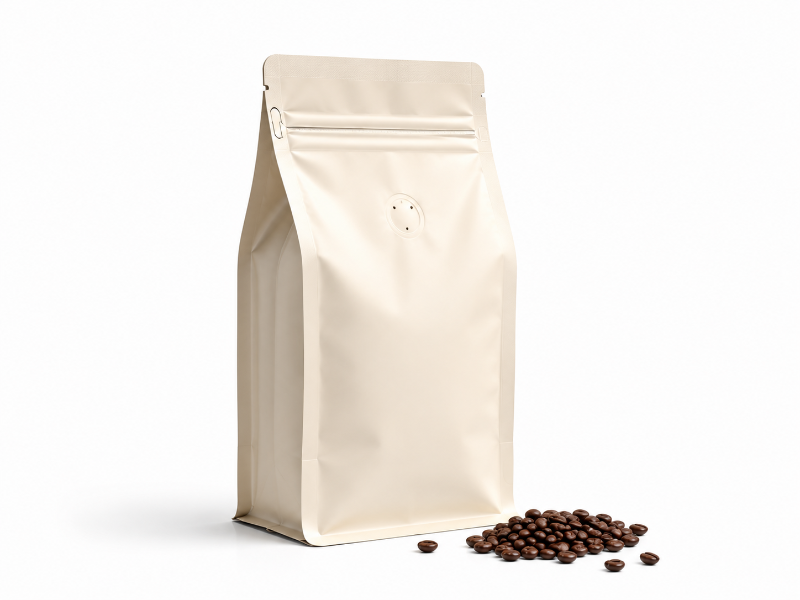
Why Coffee Packaging Matters More Than Most Food Packaging
Coffee presents unique packaging challenges compared with many other food products.
Unlike dry snacks or grains, roasted coffee continuously releases carbon dioxide after roasting while remaining highly vulnerable to oxygen exposure.
Freshness Directly Impacts Product Value
Consumers often associate coffee quality with aroma and flavor intensity.
Even minor freshness loss can negatively affect customer satisfaction.
Packaging Influences Purchasing Decisions
Packaging design often determines whether consumers pick up a product from a crowded shelf.
A premium product requires packaging that reflects its quality.
Understanding the Main Enemies of Coffee Freshness
Before selecting packaging, it is important to understand what causes coffee degradation.
Oxygen Exposure
Oxygen is one of the biggest threats to roasted coffee.
It accelerates oxidation and causes flavor deterioration.
Moisture
Excess humidity can damage coffee quality and shorten shelf life.
Light Exposure
Ultraviolet light can affect flavor compounds and reduce freshness.
Temperature Fluctuations
Improper storage conditions accelerate product aging.
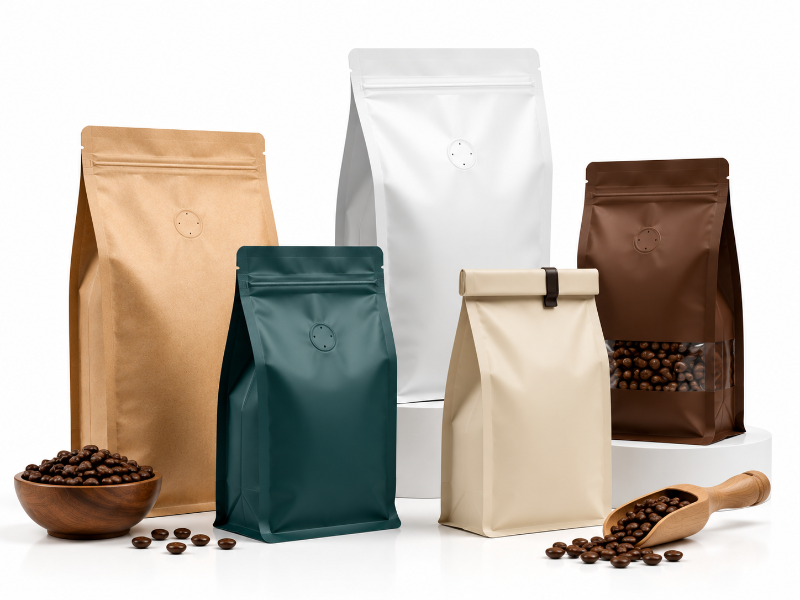
Choosing the Right Coffee Packaging Format
Different coffee products require different packaging structures.
Flat Bottom Pouches
Flat bottom pouches provide excellent shelf stability and premium presentation.
Advantages include:
• Strong shelf presence
• Large branding area
• Better storage efficiency
• Premium appearance
Stand Up Pouches
Stand up pouches remain one of the most popular choices for coffee brands.
They offer:
• Cost efficiency
• Flexibility
• Lightweight transportation
• Good display performance
Side Gusset Bags
A traditional format commonly used in wholesale coffee markets.
Why Degassing Valves Are Essential for Coffee Packaging
Freshly roasted coffee naturally releases carbon dioxide.
Packaging must manage this process effectively.
Preventing Package Expansion
Without a valve, gas accumulation may cause packaging deformation.
Protecting Freshness
Degassing valves allow carbon dioxide to escape while preventing oxygen from entering.
Supporting Longer Shelf Life
This technology helps maintain flavor integrity over time.
Selecting the Right Packaging Material Structure
Material choice plays a critical role in coffee preservation.
High Barrier Materials
Coffee packaging often requires protection against:
• Oxygen
• Moisture
• Light
• External odors
Aluminum Foil Structures
Widely used for maximum barrier protection.
Sustainable Material Options
Many coffee brands are now exploring recyclable packaging solutions.
How Packaging Supports Coffee Brand Positioning
Packaging is one of the strongest marketing tools available to coffee brands.
Creating a Premium Image
Consumers often judge product quality before tasting the coffee.
Packaging design heavily influences these perceptions.
Communicating Brand Story
Packaging provides valuable space for:
• Brand history
• Product origin
• Roasting information
• Sustainability messages
Building Consumer Trust
Professional packaging increases perceived reliability.
Consumer Convenience Is Becoming Increasingly Important
Modern consumers value ease of use as much as product quality.
Resealable Closures
Zippers help maintain freshness after opening.
Easy Storage
Flexible pouches occupy less space in kitchens and offices.
Portable Packaging
Consumers appreciate packaging that travels easily.
Packaging Decisions Impact Logistics Costs
Packaging affects more than product protection.
It also influences operational efficiency.
Transportation Efficiency
Flexible packaging weighs less than rigid containers.
Warehouse Utilization
Efficient packaging structures improve storage capacity.
Reduced Damage Risks
Proper packaging protects products during shipping.
Common Mistakes Coffee Brands Make When Choosing Packaging
Many brands focus only on appearance while overlooking functionality.
Choosing Packaging Based Solely on Price
Low-cost packaging may compromise product freshness.
Ignoring Barrier Performance
A beautiful package is ineffective if it cannot protect the coffee.
Overlooking Consumer Experience
Convenience features significantly influence repeat purchases.
How to Choose a Reliable Coffee Packaging Supplier
The packaging supplier plays a major role in product success.
Material Expertise
Experienced suppliers understand barrier requirements and coffee-specific challenges.
Custom Printing Capability
High-quality printing strengthens brand identity.
Flexible OEM Support
Suppliers should provide customized solutions based on product requirements.
Quality Assurance Systems
Consistent manufacturing quality ensures reliable packaging performance.
Future Trends in Coffee Packaging
The coffee industry continues to evolve rapidly.
Sustainable Packaging Innovation
Demand for recyclable and environmentally friendly packaging continues to grow.
Premiumization of Coffee Products
Specialty coffee brands increasingly invest in high-end packaging.
Smart Packaging Technologies
Digital engagement features are becoming more common.
Conclusion
Choosing the right coffee packaging is one of the most important decisions a coffee brand can make. Effective packaging protects freshness, extends shelf life, enhances consumer convenience, and strengthens brand identity. From selecting the appropriate pouch structure and barrier materials to incorporating degassing valves and premium branding elements, every packaging decision influences product success.
As competition in the coffee industry continues to increase, brands that invest in high-quality packaging solutions gain a significant advantage. By working with an experienced coffee packaging manufacturer and focusing on both functionality and presentation, businesses can create packaging that preserves product quality while building stronger customer connections.
FAQ
What is the best packaging for coffee?
Flat bottom pouches and stand up pouches with high-barrier materials and degassing valves are among the most popular options.
Why do coffee bags need degassing valves?
Degassing valves allow carbon dioxide to escape while preventing oxygen from entering the package.
Which material is best for coffee packaging?
High-barrier materials such as aluminum foil laminates are commonly used to protect freshness.
Are stand up pouches suitable for coffee packaging?
Yes. They provide excellent branding space, convenience, and protection when paired with appropriate barrier materials.
How can packaging improve coffee sales?
Packaging enhances shelf appeal, communicates brand value, and improves customer experience.
Can coffee packaging be sustainable?
Yes. Many manufacturers now offer recyclable and environmentally friendly coffee packaging solutions.
Post time: Jun-29-2026


